
What is emergency dentistry, and how do dentists help? Emergency dentistry plays a crucial role in addressing urgent dental issues that require immediate attention to alleviate pain, prevent further complications, and preserve oral health. From sudden toothaches to traumatic injuries, dental emergencies can occur unexpectedly and disrupt daily life. In this article, we will explain what emergency dentistry entails, how dentists help patients in need, and what individuals can do to manage dental emergencies effectively.
Understanding Emergency Dentistry
Definition of Emergency Dentistry
Emergency dentistry refers to the provision of prompt dental care to address urgent oral health issues, including severe pain, swelling, trauma, and infection. Dental emergencies can arise suddenly and require immediate attention to prevent further damage and alleviate discomfort.
Common Dental Emergencies
- Toothaches: Sudden, severe toothaches can be caused by various factors, including dental decay, infection, or trauma to the tooth.
- Dental Trauma: Injuries to the teeth, gums, or soft tissues of the mouth, such as knocked-out teeth, broken teeth, or lacerations, constitute dental emergencies.
- Abscesses: Dental abscesses are painful infections that can develop in the gums or tooth roots, leading to swelling, pus discharge, and systemic symptoms.
- Lost Fillings or Crowns: Lost or damaged fillings or crowns can expose the underlying tooth structure, causing sensitivity and increasing the risk of further damage.
- Orthodontic Emergencies: Issues with orthodontic appliances, such as broken braces, loose wires, or displaced brackets, may require immediate attention to prevent discomfort or injury.
How Dentists Help in Dental Emergencies
Immediate Assessment and Diagnosis
Upon encountering a dental emergency, our dentists perform a thorough assessment to diagnose the underlying cause of the issue and determine the appropriate course of action. This may involve clinical examination, diagnostic imaging, and evaluation of the patient’s medical history.
Pain Management
One of the primary goals of emergency dentistry is to alleviate pain and discomfort associated with dental emergencies. Our dentists may prescribe pain medications, administer local anaesthesia, or perform procedures such as root canal therapy or tooth extraction to relieve pain and restore oral function.
Treatment of Infections
Dental infections, such as abscesses or periapical infections, require prompt treatment to prevent the spread of infection and alleviate symptoms. Our dentists may prescribe antibiotics, perform drainage procedures, or provide root canal therapy to address the underlying infection and promote healing.
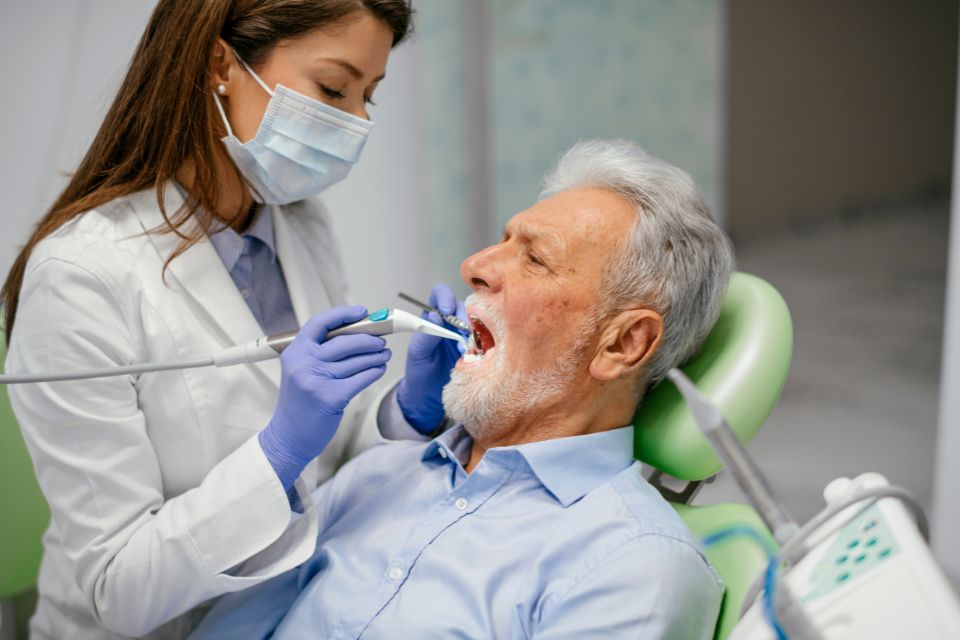
Restorative Procedures
In cases of dental trauma or damage, dentists may perform restorative procedures to repair or replace affected teeth. This may involve dental bonding, fillings, crowns, or prosthetic devices to restore the form and function of the teeth and enhance aesthetics.
Patient Education and Follow-Up Care
Dentists play a vital role in educating patients about preventive measures to avoid future dental emergencies and promote optimal oral health. They provide instructions for postoperative care, recommend oral hygiene practices, and schedule follow-up appointments to monitor the healing process and address any concerns.
Managing Dental Emergencies: What You Can Do
Stay Calm and Assess the Situation
In the event of a dental emergency, it’s essential to stay calm and assess the situation carefully. Evaluate the severity of the issue, identify any signs of trauma or infection, and take immediate steps to alleviate pain and discomfort.
Contact our Emergency Dentist
If you experience a dental emergency, contact our emergency dentist as soon as possible to seek professional assistance. Our dental practice offers emergency services and have protocols in place to accommodate urgent cases outside of regular office hours.
Manage Pain and Discomfort
While awaiting dental care, you can manage pain and discomfort by taking over-the-counter pain medications, applying cold compresses to the affected area, or rinsing with warm saltwater to alleviate inflammation and promote healing.
Preserve Dislodged Teeth or Dental Appliances
In cases of knocked-out teeth or damaged dental appliances, it’s essential to handle them with care and take measures to preserve them until you can see our dentist. Rinse dislodged teeth with water, avoid touching the roots, and place them in milk or a saline solution to keep them moist.
Follow Postoperative Instructions
After receiving emergency dental treatment, follow any postoperative instructions provided by our dentist carefully. This may include taking prescribed medications, avoiding certain foods or activities, and attending follow-up appointments to monitor the healing process.
FAQs (Frequently Asked Questions)
- What constitutes a dental emergency? Dental emergencies include severe toothaches, dental trauma, infections, abscesses, lost fillings or crowns, and orthodontic emergencies that require immediate attention to alleviate pain and prevent further complications.
- How can I find an emergency dentist near me? You can find emergency dental services by contacting our dentist either by our online contact form, or calling us at 020 8 449 3315 to enquire about our emergency protocols and availability.
- Is emergency dental care covered by insurance? Emergency dental care may be covered by dental insurance, depending on your policy and coverage options. It’s essential to check with your insurance provider to understand your benefits and coverage for emergency services.
- What should I do if I experience a dental emergency after hours? If you experience a dental emergency outside of regular office hours, visit an urgent care facility for prompt evaluation and treatment.
- Can I wait to see a dentist for a dental emergency? While some dental emergencies may not require immediate attention, it’s essential to seek prompt care for severe pain, trauma, or infection to prevent further complications and preserve oral health.
- What should I do if I have a toothache or dental pain? If you have a toothache or dental pain, rinse your mouth with warm saltwater, take over-the-counter pain medications, and contact our dentist for evaluation and treatment as soon as possible.
- How can I prevent dental emergencies? To prevent dental emergencies, practice good oral hygiene, wear protective mouthguards during sports activities, avoid chewing on hard objects, and attend regular dental check-ups for preventive care and early detection of issues.
- Can I use over-the-counter dental products to treat a dental emergency? While over-the-counter dental products such as pain relievers or temporary filling materials may provide temporary relief, it’s essential to seek professional dental care for proper diagnosis and treatment of dental emergencies.
- What should I do if my child experiences a dental emergency? If your child experiences a dental emergency, stay calm, assess the situation, and contact a paediatric dentist or emergency dental clinic for guidance and assistance.
- Are dental emergencies common? Dental emergencies are relatively common and can occur due to various factors, including trauma, infection, dental decay, or underlying oral health issues. Prompt evaluation and treatment are essential for managing dental emergencies effectively and preserving oral health.
Conclusion
Emergency dentistry plays a vital role in addressing urgent oral health issues and providing prompt care to patients in need. Whether it’s severe tooth pain, dental trauma, or infection, dental emergencies can arise unexpectedly and require immediate attention to alleviate discomfort and prevent further complications. By understanding what constitutes a dental emergency, knowing how dentists help patients in need, and taking proactive steps to manage emergencies effectively, individuals can protect their oral health and seek timely treatment when necessary.
Hadley Green Dental Practice stands as a shining example of excellence in emergency dentistry. If you are looking for an emergency dentist in Barnet, please feel free to call Hadley Green Dental Practice on 020 8449 3315, on click here.